• Skip to primary navigation
  • Skip to main content
  • Skip to primary sidebar
  • Skip to footer

Quotes Best

  • Quotes Best
  • Home
  • Business
  • Entertainment
  • Health
  • Shopping
  • Technology
  • Travel
  • About
  • Contact

March 10, 2026 By Nick Willson Leave a Comment

Are You Underinsured at Sea? A Practical Guide for Importers

marine insurance

Many importers believe their goods are protected once they leave the port. Containers are sealed. Freight is booked. Tracking numbers are issued. The assumption follows: risk has been transferred.

That assumption often hides exposure.

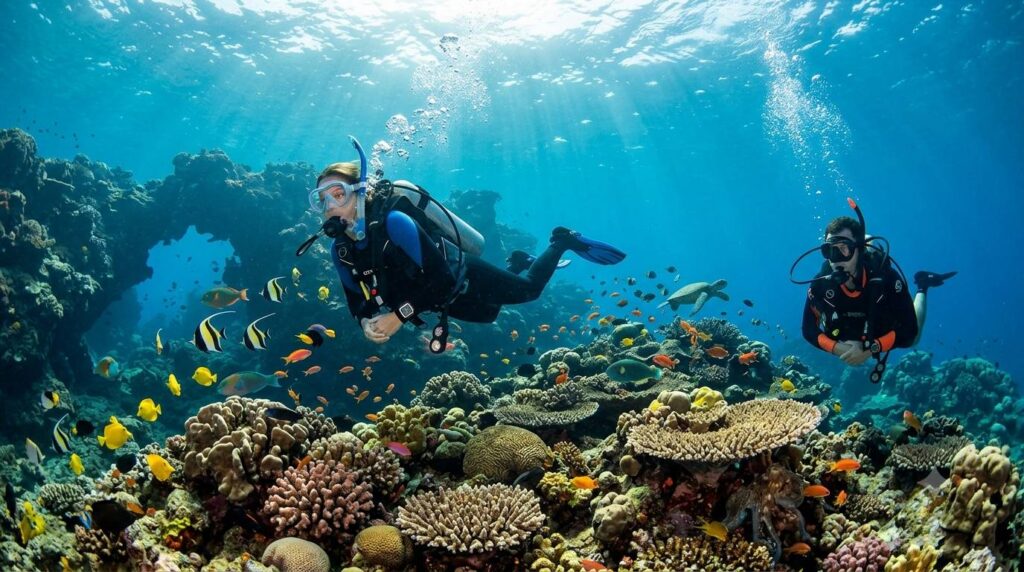
Marine insurance exists because sea transport carries variables that road and air freight do not. Weather systems shift. Cargo transfers between vessels. Containers are lifted repeatedly during transhipment. A single disruption can trigger a chain of financial consequences. The question is not whether risk exists. It is whether coverage matches the real exposure.

The first misunderstanding concerns valuation.

Importers sometimes insure goods at invoice value only. That approach ignores freight costs, customs duties, storage fees, and potential profit margin. If cargo is damaged or lost, a policy that reflects only purchase price may leave a financial gap. Replacement cost in practice is often higher than original invoice value.

Another common issue relates to Incoterms. Importers who purchase goods under CIF terms may assume insurance is fully handled by the seller. Yet seller-provided cover is often minimal. Basic policies may exclude certain types of damage or limit compensation. Without reviewing the insurance certificate, importers cannot verify the scope of protection.

Marine insurance policies vary widely in structure. Institute Cargo Clauses A provide broad “all risks” coverage, while Clauses B and C offer narrower protection. The difference becomes critical when claims arise from partial damage, water ingress, or handling accidents. Selecting the wrong clause may not be obvious until loss occurs.

Geographical routing introduces another layer. Goods rarely travel in a straight line. They may pass through multiple ports before arrival. Certain routes carry higher piracy risk or increased congestion. Policies must reflect actual transit paths. Failure to declare high-risk areas can affect claims.

Packaging standards also influence cover. Insurers expect cargo to be packed appropriately for sea transport. If damage results from inadequate packaging, claims may be reduced or denied. Importers who rely on overseas suppliers must confirm packaging specifications meet policy requirements.

Timing gaps present further exposure. When does coverage start and end? Many assume insurance begins when cargo leaves the supplier’s warehouse. In reality, policies may activate only once goods are loaded onto the vessel. Similarly, delays at destination ports can extend storage periods beyond insured limits. Reviewing warehouse-to-warehouse provisions is essential.

Another overlooked factor is general average. Under maritime law, if a vessel faces serious danger, cargo owners may be required to contribute proportionally to losses incurred to save the voyage. Even undamaged cargo can be held until contributions are paid. Marine insurance typically covers such contributions, but only if structured correctly.

Importers also face currency risk. Claims are often settled based on declared currency values. Exchange rate fluctuations can alter effective compensation. Policies should align with transaction currency to reduce this mismatch.

Documentation discipline plays a decisive role. Bills of lading, packing lists, commercial invoices, and inspection reports form the backbone of any claim. Delays in notifying insurers or incomplete documentation can weaken recovery prospects. Importers should establish internal protocols for immediate reporting of suspected damage upon arrival.

Stock throughput policies offer another option. Instead of insuring individual shipments separately, businesses with regular imports may benefit from annual coverage linked to turnover. This structure can simplify administration and reduce the risk of forgetting to insure a shipment.

Risk assessment should not rely solely on cargo value. Consider dependency. If goods are critical to supply chain continuity, the financial impact of delay may exceed physical loss. Business interruption extensions may be relevant, depending on scale of operations.

Underinsurance rarely appears obvious until a claim exposes the gap. The goal is not to purchase maximum coverage blindly but to align protection with realistic exposure.

Sea freight supports global trade, but it operates in an environment of uncertainty. Weather, handling, routing, and legal obligations intersect continuously. Marine insurance serves as a stabilising mechanism only when structured carefully.

Importers who review valuation methods, policy clauses, transit routes, and documentation practices reduce the risk of unpleasant surprises. At sea, assumptions travel poorly. Preparation travels better.

Filed Under: Finance Tagged With: marine insurance

February 23, 2026 By Nick Willson Leave a Comment

How Emergency Glazing Protects Property After Damage

Property

Broken glass leaves a property exposed within minutes. Whether caused by impact, weather, or structural stress, damage creates risks that extend far beyond appearance. Fast, professional emergency glazing helps secure buildings, protect occupants, and prevent small incidents from becoming costly long-term problems.

When glass is damaged, the impact is immediate. Security is weakened, safety is compromised, and the building becomes vulnerable to weather and further deterioration. In these moments, swift action is essential. A professional Glazing Company can stabilise the situation quickly, ensuring the property remains protected while longer-term repairs are arranged. Emergency glazing bridges the gap between unexpected damage and permanent restoration, helping property owners avoid escalating costs, safety concerns, and unnecessary disruption.

Why Damaged Glass Puts Property at Immediate Risk

A cracked or shattered window is more than an inconvenience. It compromises security, safety, and environmental control all at once. Gaps in glazing allow unauthorised access, expose interiors to wind and rain, and increase the likelihood of further structural damage.

For both residential and commercial buildings, broken glass also raises liability concerns. Sharp edges, loose panes, or falling fragments can pose a danger to occupants and passers-by. This is why property professionals often turn to a Glazing Company with emergency capabilities as soon as damage occurs, rather than waiting for a standard repair appointment.

Industry bodies regularly highlight that unsecured openings are one of the most common escalation points after property damage, leading to secondary losses that far exceed the original repair cost.

What Emergency Glazing Involves

Emergency glazing is a rapid response service designed to make a property safe and secure after glass damage. The focus is not always immediate replacement. Instead, the priority is stabilisation and protection.

This typically includes:

  • Removing loose or hazardous glass safely
  • Securing openings with temporary glazing, boarding, or safety panels
  • Weatherproofing exposed areas to prevent water ingress
  • Assessing whether permanent replacement can be completed immediately or scheduled

Temporary solutions are carefully chosen to maintain security and insulation while allowing normal activity to continue as much as possible.

How Emergency Glazing Prevents Further Damage

One of the most overlooked benefits of emergency glazing is damage containment. An unsecured opening can quickly lead to:

  • Internal water damage during rain or high humidity
  • Heat loss and rising energy costs
  • Damage to flooring, furnishings, or equipment
  • Increased strain on nearby frames and structures

By sealing the area quickly, emergency glazing reduces these knock-on effects. Even a short delay can significantly increase repair complexity and cost, particularly in older buildings or properties with timber frames.

Mid-response assessments from a Glazing Company also help identify whether surrounding glass units or frames have been weakened, allowing preventative action rather than reactive repair.

Safety and Compliance Considerations

Glass is a regulated building material, especially in doors, shopfronts, and low-level windows. Safety glazing standards exist to minimise injury if breakage occurs. After damage, it is essential that any temporary or permanent solution aligns with these requirements.

Emergency glazing professionals understand:

  • When safety glass is legally required
  • How to secure areas without creating new hazards
  • The importance of clear visibility in commercial or public-facing spaces

Incorrect temporary fixes, such as poorly installed boards or unsuitable materials, can create additional risks. Professional emergency glazing avoids these pitfalls while keeping the property compliant.

Common Situations Where Emergency Glazing Is Critical

Emergency glazing is not limited to extreme events. It is commonly required after:

  • Accidental impact or internal breakage
  • Weather-related stress causing cracks or blowouts
  • Vandalism or forced entry attempts
  • Structural movement affecting window integrity

In each case, speed matters. The sooner the opening is secured, the lower the chance of further disruption.

Practical Tips to Prepare for Glazing Emergencies

While glass damage is often unexpected, preparation reduces stress and delays. Consider these practical steps:

  • Know your response plan: Identify who to contact for urgent glazing support before an incident occurs.
  • Act quickly: Delaying temporary protection increases exposure to damage and security risks.
  • Avoid DIY fixes: Tape or plastic sheeting rarely provides adequate safety or weather resistance.
  • Document the damage: Photographs taken after securing the area can support insurance processes.
  • Schedule follow-up repairs promptly: Temporary glazing is a short-term measure, not a permanent solution.

These actions help ensure that emergency measures deliver maximum protection.

From Temporary Protection to Permanent Repair

Emergency glazing is the first stage of recovery, not the final step. Once the property is safe, permanent replacement can be planned with minimal disruption. Accurate measurements, material matching, and compliance checks are easier when the initial response has stabilised the site.

Working with the same Glazing Company from emergency call-out through to final installation often improves efficiency, as the damage history and site conditions are already understood.

Conclusion

Emergency glazing plays a vital role in protecting property after damage. By securing openings quickly, it prevents secondary losses, safeguards occupants, and maintains compliance with safety standards. Prompt, professional intervention ensures that a moment of damage does not turn into a prolonged and costly problem.

Filed Under: Home Tagged With: Property

February 17, 2026 By Nick Willson Leave a Comment

How Much Does Grab Hire Cost in Woking in 2026

Grab Hire

Grab hire has become a popular waste removal option for both domestic and commercial projects. It is fast, efficient, and avoids the need for a skip on site. In Woking, rising construction activity and home improvements mean many people are asking what grab hire is likely to cost in 2026.

Understanding Grab Hire Woking prices helps with better budgeting and planning. Costs can vary, but they are usually based on access, waste type, and time on site. By knowing how Grab hire Woking services are priced, you can avoid unexpected charges and delays.

Average Grab Hire Costs in Woking

In 2026, Grab Hire prices are expected to remain competitive, with most jobs priced as a single collection rather than by weight. On average, grab hire services typically cost less than multiple skip hires for the same volume of waste.

For a standard load, prices often fall within a mid-range that suits small to medium projects. Larger or more complex jobs may cost more, especially if extra time or handling is required. However, many customers still find Grab hire cost-effective due to speed and reduced labour.

What Affects Grab Hire Prices

Several factors influence how much you pay for a grab hire. Understanding these helps you estimate costs more accurately.

Key cost factors include:

  • Type of waste, such as soil, rubble, or mixed materials
  • Ease of access for the grab lorry
  • Distance travelled to and from the site
  • Time required to load the waste
  • Local disposal and recycling fees

Clean waste is often cheaper to remove. Mixed or restricted materials may increase the price due to sorting and disposal rules.

Grab Hire vs Skip Hire on Cost

Grab hire can be cheaper than skip hire when large volumes of waste need to be removed quickly. Skips often require permits and multiple collections. Grab hire removes waste in one visit.

Another saving comes from labour. The grab arm loads waste directly, reducing manual handling. This saves time and lowers overall project costs, especially on busy sites.

When Grab Hire Offers the Best Value

Grab hire is best suited to projects where waste is already loose or can be piled up. Common examples include groundwork, driveway removal, and garden clearance.

It is also ideal when space is limited. There is no skip left on site, which avoids access problems and permit costs. For many projects in Woking, this convenience adds real value.

Tips to Keep Grab Hire Costs Down

Good preparation helps control costs and avoid delays.

To manage your budget:

  • Keep waste in one clear pile
  • Separate materials where possible
  • Ensure clear access for the lorry
  • Confirm waste types in advance
  • Book during standard working hours

Clear communication with the hiring company prevents misunderstandings and extra charges.

Conclusion

In 2026, grab hire in Woking remains a practical and cost-effective waste removal option. Prices depend on access, waste type, and time on site, but many projects benefit from fast clearance and reduced labour. With proper planning and a clear understanding of costs, grab hire offers strong value for both home and commercial projects.

Filed Under: Business Tagged With: Grab Hire

February 12, 2026 By Nick Willson Leave a Comment

Fashion Entrepreneurship 101: Crafting Your Brand with Confidence

Fashion Entrepreneurship

Starting a fashion business is exciting, but it also requires planning, clarity, and confidence. Every successful fashion entrepreneur begins with an idea, but turning that idea into a strong brand takes strategy and persistence. The fashion industry is competitive, fast moving, and creative. To stand out, you need more than good designs. You need a clear identity, a defined audience, and a business mindset.

If you are thinking about launching your own fashion label, clothing line, or accessories brand, this guide will help you understand the basics in a simple and practical way.

Understanding What Fashion Entrepreneurship Really Means

Fashion entrepreneurship is not only about designing beautiful pieces. It is about building a brand that connects with people. It includes product development, branding, marketing, pricing, production, and customer service. You are not just a designer. You are also a business owner.

Many new founders focus only on creativity. While creativity is important, success comes from balancing creativity with business knowledge. You must understand your target market, competition, and pricing strategy.

In discussions about modern fashion businesses, platforms like London women magazine often highlight how strong personal branding and clear storytelling help new brands grow faster. Customers today do not just buy clothes. They buy a story, a lifestyle, and values they relate to.

Step 1: Define Your Brand Identity

Before you create products, define your brand clearly. Ask yourself:

• What is my brand message?
• Who is my target audience?
• What problem am I solving?
• What makes my brand different?

Your brand identity includes your logo, color palette, tone of voice, and overall aesthetic. For example, are you creating sustainable fashion, luxury evening wear, streetwear, or minimalist everyday pieces?

If your brand focuses on eco friendly fashion, your messaging, packaging, and materials should reflect sustainability. Consistency builds trust.

Step 2: Research Your Market

Market research is essential in the fashion industry. Study your competitors. Look at their pricing, social media presence, and customer reviews. Identify gaps in the market where your brand can offer something unique.

Use tools like Google Trends, Instagram insights, and fashion industry reports to understand current fashion trends. Pay attention to keywords such as sustainable fashion, slow fashion, ethical clothing, luxury streetwear, and online boutique business. These terms help you understand what customers are searching for.

Understanding your audience is equally important. Are you targeting working professionals, students, brides, or fitness enthusiasts? The clearer your target market, the easier your marketing will be.

Step 3: Create a Strong Business Plan

A fashion brand is a creative business, but it still needs structure. A clear business plan should include:

• Your brand vision and mission
• Target audience details
• Product range
• Pricing strategy
• Marketing plan
• Budget and startup costs

Calculate production costs carefully. Include fabric, manufacturing, packaging, shipping, marketing, and website expenses. Many new brands fail because they underestimate costs.

If you are starting small, consider launching a limited collection first. Test the market before expanding.

Step 4: Develop Quality Products

Quality builds reputation. Customers will not return if the fabric feels cheap or stitching is poor. Focus on sourcing reliable manufacturers and quality materials.

If possible, order samples before final production. Wear test your products. Wash them. Check durability. Small details like finishing and packaging create a premium feel.

In today’s market, customers value sustainability and ethical production. If you can offer transparent sourcing, it becomes a strong selling point.

Step 5: Build an Online Presence

Digital marketing is essential for fashion startups. Most customers discover new brands through social media, online stores, and influencers.

Create a professional website with clear product photos and easy navigation. Use search engine optimization to help customers find you online. Include relevant keywords like fashion startup, online clothing brand, women owned fashion business, or luxury fashion label naturally within your website content.

Social media platforms like Instagram, Pinterest, and TikTok are powerful tools for fashion branding. Share behind the scenes content, styling ideas, customer testimonials, and new launches.

Consistency is key. Posting regularly builds brand recognition and trust.

Step 6: Focus on Branding and Storytelling

People connect with stories. Share why you started your brand. Talk about your journey, challenges, and values. A strong brand story creates emotional connection.

For example, if your brand supports local artisans, show the process. If your designs are inspired by travel or culture, explain the inspiration.

Brand storytelling builds loyalty. Customers are more likely to support a brand they feel connected to.

Step 7: Pricing with Confidence

Many new fashion entrepreneurs struggle with pricing. Do not undervalue your work. Your price should reflect quality, production costs, and brand positioning.

If you position your brand as premium, your pricing must match that image. Low pricing can sometimes reduce perceived value.

Research competitor pricing, but do not copy it blindly. Understand your costs and profit margins clearly.

Step 8: Networking and Collaboration

Fashion is a relationship-driven industry. Connect with stylists, photographers, influencers, and boutique owners. Attend fashion events and business networking sessions.

Collaborations can expand your reach. For example, partnering with a local influencer or stylist can introduce your brand to a new audience.

Building strong professional relationships can open doors to growth opportunities.

Common Challenges in Fashion Entrepreneurship

Every fashion entrepreneur faces challenges. Production delays, inventory issues, slow sales, and marketing struggles are common.

The key is patience and adaptability. Learn from feedback. Improve your products. Adjust your marketing strategies. Growth takes time.

Avoid comparing your journey with established brands. Focus on steady progress.

Final Thoughts

Fashion entrepreneurship is a combination of creativity, strategy, and confidence. Start with a clear brand identity. Understand your target market. Create quality products. Build a strong online presence. Price your products wisely. Share your story with honesty.

Success in the fashion industry does not happen overnight. It requires consistent effort, smart decisions, and belief in your vision. With planning and dedication, you can craft a brand that reflects your passion and connects with the right audience.

Filed Under: Business

  • Page 1
  • Page 2
  • Page 3
  • Interim pages omitted …
  • Page 49
  • Go to Next Page »

Primary Sidebar

Follow US

  • Facebook
  • Instagram
  • LinkedIn
  • Pinterest
  • Twitter

TOP 5

marine insurance

Are You Underinsured at Sea? A Practical Guide for Importers

Property

How Emergency Glazing Protects Property After Damage

Grab Hire

How Much Does Grab Hire Cost in Woking in 2026

Fashion Entrepreneurship

Fashion Entrepreneurship 101: Crafting Your Brand with Confidence

Green Infrastructure

How Green Infrastructure Shapes Modern Communities

BROWSE BY CATEGORY

  • Business
  • Entertainment
  • Finance
  • General
  • Health
  • Home
  • Life
  • News
  • Photography
  • Property
  • Quotes
  • Shopping
  • Sports
  • Technology
  • Travel
  • Wedding

Footer

About

Hi everyone, My name is Emily Hudson. Welcome to my blog quotesbest.net. We are a team of passionate people who have come together to share our love of writing. We are dedicated to providing quality content that is both informative and entertaining. In our articles, you will get information on business, entertainment, health, shopping, travel and technology...
Read More

Recent Posts

  • Are You Underinsured at Sea? A Practical Guide for Importers
  • How Emergency Glazing Protects Property After Damage
  • How Much Does Grab Hire Cost in Woking in 2026
  • Fashion Entrepreneurship 101: Crafting Your Brand with Confidence
marine insurance

Many importers believe their goods are protected once they leave the port. Containers are sealed. Freight is booked. Tracking numbers are issued. The assumption follows: risk has been transferred. That assumption often hides exposure. Marine insurance exists because sea transport carries variables that road and air freight do not. Weather systems shift. Cargo transfers between […]

Copyright @ 2017-2026 Quotes Best | Privacy Policy
We use cookies to ensure that we give you the best experience on our website. If you continue to use this site we will assume that you are happy with it.