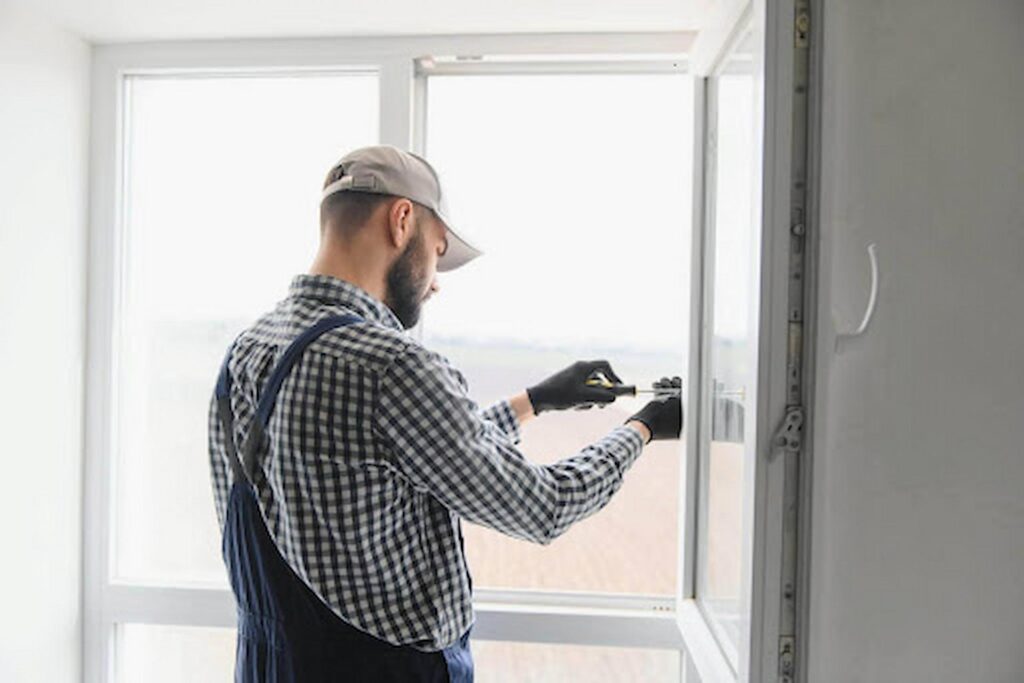
Broken glass leaves a property exposed within minutes. Whether caused by impact, weather, or structural stress, damage creates risks that extend far beyond appearance. Fast, professional emergency glazing helps secure buildings, protect occupants, and prevent small incidents from becoming costly long-term problems.
When glass is damaged, the impact is immediate. Security is weakened, safety is compromised, and the building becomes vulnerable to weather and further deterioration. In these moments, swift action is essential. A professional Glazing Company can stabilise the situation quickly, ensuring the property remains protected while longer-term repairs are arranged. Emergency glazing bridges the gap between unexpected damage and permanent restoration, helping property owners avoid escalating costs, safety concerns, and unnecessary disruption.
Why Damaged Glass Puts Property at Immediate Risk
A cracked or shattered window is more than an inconvenience. It compromises security, safety, and environmental control all at once. Gaps in glazing allow unauthorised access, expose interiors to wind and rain, and increase the likelihood of further structural damage.
For both residential and commercial buildings, broken glass also raises liability concerns. Sharp edges, loose panes, or falling fragments can pose a danger to occupants and passers-by. This is why property professionals often turn to a Glazing Company with emergency capabilities as soon as damage occurs, rather than waiting for a standard repair appointment.
Industry bodies regularly highlight that unsecured openings are one of the most common escalation points after property damage, leading to secondary losses that far exceed the original repair cost.
What Emergency Glazing Involves
Emergency glazing is a rapid response service designed to make a property safe and secure after glass damage. The focus is not always immediate replacement. Instead, the priority is stabilisation and protection.
This typically includes:
- Removing loose or hazardous glass safely
- Securing openings with temporary glazing, boarding, or safety panels
- Weatherproofing exposed areas to prevent water ingress
- Assessing whether permanent replacement can be completed immediately or scheduled
Temporary solutions are carefully chosen to maintain security and insulation while allowing normal activity to continue as much as possible.
How Emergency Glazing Prevents Further Damage
One of the most overlooked benefits of emergency glazing is damage containment. An unsecured opening can quickly lead to:
- Internal water damage during rain or high humidity
- Heat loss and rising energy costs
- Damage to flooring, furnishings, or equipment
- Increased strain on nearby frames and structures
By sealing the area quickly, emergency glazing reduces these knock-on effects. Even a short delay can significantly increase repair complexity and cost, particularly in older buildings or properties with timber frames.
Mid-response assessments from a Glazing Company also help identify whether surrounding glass units or frames have been weakened, allowing preventative action rather than reactive repair.
Safety and Compliance Considerations
Glass is a regulated building material, especially in doors, shopfronts, and low-level windows. Safety glazing standards exist to minimise injury if breakage occurs. After damage, it is essential that any temporary or permanent solution aligns with these requirements.
Emergency glazing professionals understand:
- When safety glass is legally required
- How to secure areas without creating new hazards
- The importance of clear visibility in commercial or public-facing spaces
Incorrect temporary fixes, such as poorly installed boards or unsuitable materials, can create additional risks. Professional emergency glazing avoids these pitfalls while keeping the property compliant.
Common Situations Where Emergency Glazing Is Critical
Emergency glazing is not limited to extreme events. It is commonly required after:
- Accidental impact or internal breakage
- Weather-related stress causing cracks or blowouts
- Vandalism or forced entry attempts
- Structural movement affecting window integrity
In each case, speed matters. The sooner the opening is secured, the lower the chance of further disruption.
Practical Tips to Prepare for Glazing Emergencies
While glass damage is often unexpected, preparation reduces stress and delays. Consider these practical steps:
- Know your response plan: Identify who to contact for urgent glazing support before an incident occurs.
- Act quickly: Delaying temporary protection increases exposure to damage and security risks.
- Avoid DIY fixes: Tape or plastic sheeting rarely provides adequate safety or weather resistance.
- Document the damage: Photographs taken after securing the area can support insurance processes.
- Schedule follow-up repairs promptly: Temporary glazing is a short-term measure, not a permanent solution.
These actions help ensure that emergency measures deliver maximum protection.
From Temporary Protection to Permanent Repair
Emergency glazing is the first stage of recovery, not the final step. Once the property is safe, permanent replacement can be planned with minimal disruption. Accurate measurements, material matching, and compliance checks are easier when the initial response has stabilised the site.
Working with the same Glazing Company from emergency call-out through to final installation often improves efficiency, as the damage history and site conditions are already understood.
Conclusion
Emergency glazing plays a vital role in protecting property after damage. By securing openings quickly, it prevents secondary losses, safeguards occupants, and maintains compliance with safety standards. Prompt, professional intervention ensures that a moment of damage does not turn into a prolonged and costly problem.
